

Moth Control in Chula Vista, CA
Reach out now for your free, no-obligation moth control estimate.
- Ants & rodents
- Straightforward pricing
- Local technicians
Call for a rate estimate
- Fast, courteous service
- Clear, upfront pricing
Our local team is taking calls now.





Immediate Response Available
Moths damaging your belongings in Chula Vista? We're standing by to schedule your inspection and start protecting your property today!
Experienced Local Technicians
Our certified moth specialists know Chula Vista homes inside and out. We deliver thorough treatments that eliminate infestations completely!
Convenient Scheduling
Busy schedule in Chula Vista? We'll find a time that works for you—evenings and weekends included for your convenience!
Moth Control in Chula Vista
Almost every moth call splits into one of two completely different problems, and the treatment for each has nothing to do with the other. Clothes moths damage natural fibres in wardrobes and storage. Pantry moths breed in dry food in your kitchen cupboards. Working out which you have is the entire first step, and getting it wrong wastes everyone's time.
Neither is a hygiene failure. Both routinely arrive in something you brought home — a secondhand coat, a bag of birdseed, a packet of flour.
Clothes Moths
Small, buff-coloured, and notably reluctant to fly toward light — they scuttle into dark corners instead. That behaviour is diagnostic: a moth fluttering around a lamp is almost never a clothes moth.
The Larvae Do All the Damage
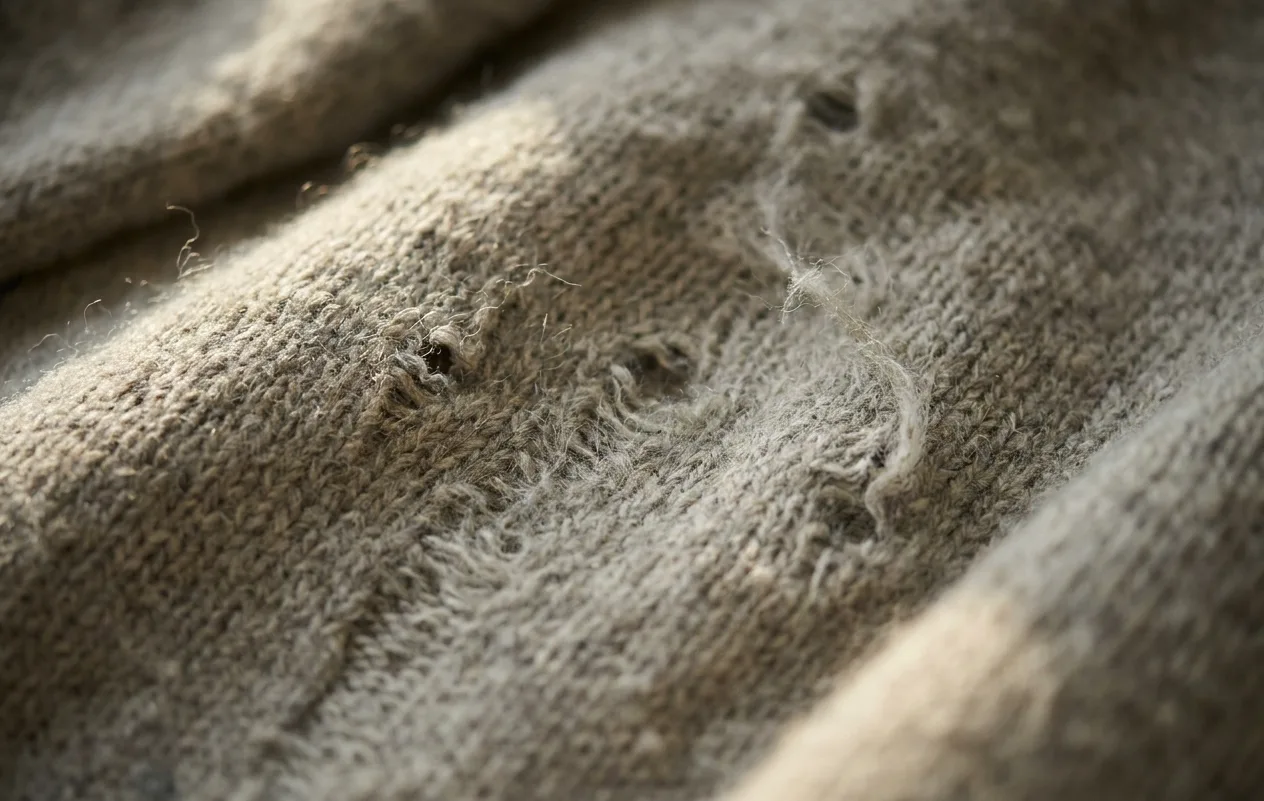
Adults do not feed at all. The damage is done by larvae, which eat keratin — wool, cashmere, silk, feathers, fur, felt — and are drawn to fibres carrying body oils, perspiration or food residue. This is why the holes appear on the garment you wore once before putting it away, and why the item beside it is untouched.
Where They Establish
Undisturbed storage: the back of a wardrobe, boxes under a bed, a garment bag, stored blankets, wool rugs under furniture, and — frequently missed — the felt and wool in piano interiors, upholstered furniture, and old carpet beneath a heavy wardrobe.
Pantry Moths
Larger, with a distinctive two-tone wing, pale nearest the head and coppery-brown at the tips. These do fly toward light and are usually first noticed in the kitchen in the evening.
What They Infest
Flour, cereal, grains, rice, pasta, nuts, dried fruit, pet food, birdseed and chocolate. Larvae chew through thin packaging, so an unopened box is not proof of safety. The telltale sign is fine silken webbing matting the surface of the food or in the corners of the packet.
They Almost Always Arrive Infested
The eggs come in with the product from the supply chain. That is worth saying plainly, because people assume it reflects on their kitchen. It does not.
Our Moth Control Process
Identification
We confirm which species you have, and if the answer is neither — plenty of harmless moths simply wander in through an open door — we will tell you that rather than treat.
Finding the Source
For pantry moths this means going through every dry good in the affected cupboards, including the ones that look fine, plus pet food and birdseed which are the two most commonly overlooked. For clothes moths it means working through storage systematically, checking garment folds, seams and the underside of stored items, and looking under furniture that has not moved in years.
Removal and Cleaning
Infested food goes out, sealed, and outside the building. Cupboards are emptied and cleaned into the corners and shelf-support holes where webbing and pupae sit. For textiles, laundering hot or a spell in a freezer kills all life stages, and a thorough vacuum lifts eggs and larvae from carpet and upholstery.
Targeted Treatment
Applications go into the cracks, shelf edges, corners and voids where larvae pupate — not onto food-contact surfaces, and not over stored clothing. For clothes moths, treatment addresses the room and storage structure while the garments themselves are dealt with by heat or cold.
Monitoring
Pheromone traps catch adult males and, more usefully, tell you whether the population is falling after treatment. They are a monitoring tool rather than a solution — a trap alone does not control an infestation, whatever the packaging suggests.
Signs You Have Moths
Irregular Holes in Natural Fabrics
Clustered, ragged holes in wool or cashmere, often along seams, folds and cuffs. Synthetic blends are usually spared, which is itself a clue.
Silken Tubes or Cases
Small tubular cases or patches of webbing on fabric, in wardrobe corners, or under a rug edge.
Webbing in Dry Food
Fine silk matting the surface of flour or cereal, or clumping grains together. Often noticed as the food seeming to stick.
Small Larvae in Cupboards
Pale cream caterpillars on shelves, in packet folds, or crawling up a wall or ceiling near the cupboard — they travel a surprising distance to pupate.
Adults in the Room
Moths near a lamp in the kitchen point to pantry moths; moths scuttling in a dark wardrobe point to clothes moths.
Preventing a Return
For pantry moths: decant dry goods into airtight glass or hard plastic on arrival, keep pet food and birdseed sealed and preferably not indoors, buy quantities you will actually use, and check the back of the cupboard occasionally rather than only the front.
For clothes moths: clean garments before storing them, since it is the residue that attracts larvae rather than the fabric alone. Store in sealed containers or garment bags rather than open on a rail. Move and air stored textiles periodically — disturbance alone discourages them. Vacuum under and behind furniture that rarely moves. Cedar and lavender have a mild repellent effect at best and will not stop an established infestation, whatever they smell like.
If you are finding damage and cannot locate the source, that is the point at which a proper search is worth it. The source is usually somewhere nobody has looked in years.
★ FAQ
Frequently Asked Questions
Pantry moths (typically Indian meal moths) infest dry food products, creating webbing in cereals, grains, flour, and similar items. Clothes moths attack natural fiber materials like wool, silk, cashmere, and fur, leaving holes in fabrics. Each requires distinct treatment approaches—pantry moth control targets food storage zones while clothes moth services protect fabric storage areas, closets, and upholstered furnishings throughout your home.
Moths lay eggs in hidden locations like cracks, crevices, wall voids, and undisturbed corners that simple cleaning doesn't reach. Chula Vista's mild climate allows continuous reproduction year-round. Without professional treatment targeting all life stages—especially eggs and larvae in concealed areas—new generations keep emerging. Comprehensive professional service breaks this reproductive cycle permanently.
Moths frequently enter homes in already-infested products from stores or in secondhand clothing and furniture. Adult moths fit through tiny openings, and larvae can chew through paper, cardboard, thin plastics, and even some sealed packaging. Once established, they spread rapidly to nearby food sources or fabrics. Professional service identifies entry points and implements exclusion strategies.
Clothes moths can ruin expensive garments, wool carpets, antique tapestries, upholstered furniture, and irreplaceable family textiles, potentially causing thousands in losses. Pantry moths force disposal of contaminated food supplies throughout affected storage areas. Severe infestations also create allergen concerns from shed larval skins, droppings, and adult moth scales.
Traditional mothballs contain toxic chemicals that present health hazards, especially to children and pets, and only work in tightly sealed spaces. Cedar may deter some adult moths but doesn't kill existing eggs or larvae. Professional moth control uses safer, more effective treatments including targeted applications, pheromone monitoring, and comprehensive inspection that eliminates infestations at every life stage.
Significant infestations produce multiple warning signs: frequent moth sightings, larvae on walls or surfaces, webbing in food products or on fabrics, holes appearing in clothing, and small cocoons in corners or along baseboards. In Chula Vista's climate, moth activity continues year-round. Professional inspection accurately assesses infestation severity and identifies all affected areas for proper treatment.
Pantry moths seek grains, cereals, nuts, dried fruits, pet food, and birdseed, while clothes moths target keratin proteins in wool, silk, fur, feathers, and leather. Both prefer dark, undisturbed locations—closets, pantries, attics, garages, and storage areas. Chula Vista's humidity levels combined with warmth and poor air circulation create ideal breeding environments that professional treatments systematically eliminate.
📍 On the map
Our Complete Moth Control Method
Thorough process ensures total elimination and lasting prevention
We've developed a detailed moth control system that addresses every infestation stage and breeding location, guaranteeing complete elimination throughout your Chula Vista property.