

Rodent Control in National City, CA
The oldest housing stock in the South Bay, and a lot of it multi-family.
- Rodents only
- Multi-family experience
- Commercial programmes
Book your free inspection
- Fast, courteous service
- Clear, upfront pricing
We are answering the South Bay line now.





Gaps Built In
Pre-war and mid-century construction has openings modern building does not: unsealed utility chases, open sill lines, vents that were always generous.
Multi-Family Reality
Animals travel risers and ceiling voids without reference to anybody's lease. Treating one unit while the next is untouched moves the problem along.
Structural, Not Chemical
On this housing the answer is nearly always carpentry and mesh. Bait on its own here is a subscription, not a solution.
Rodent Control in National City
National City has the oldest housing stock in the South Bay and a high proportion of multi-family buildings. Both make the rodent work here structural rather than chemical.
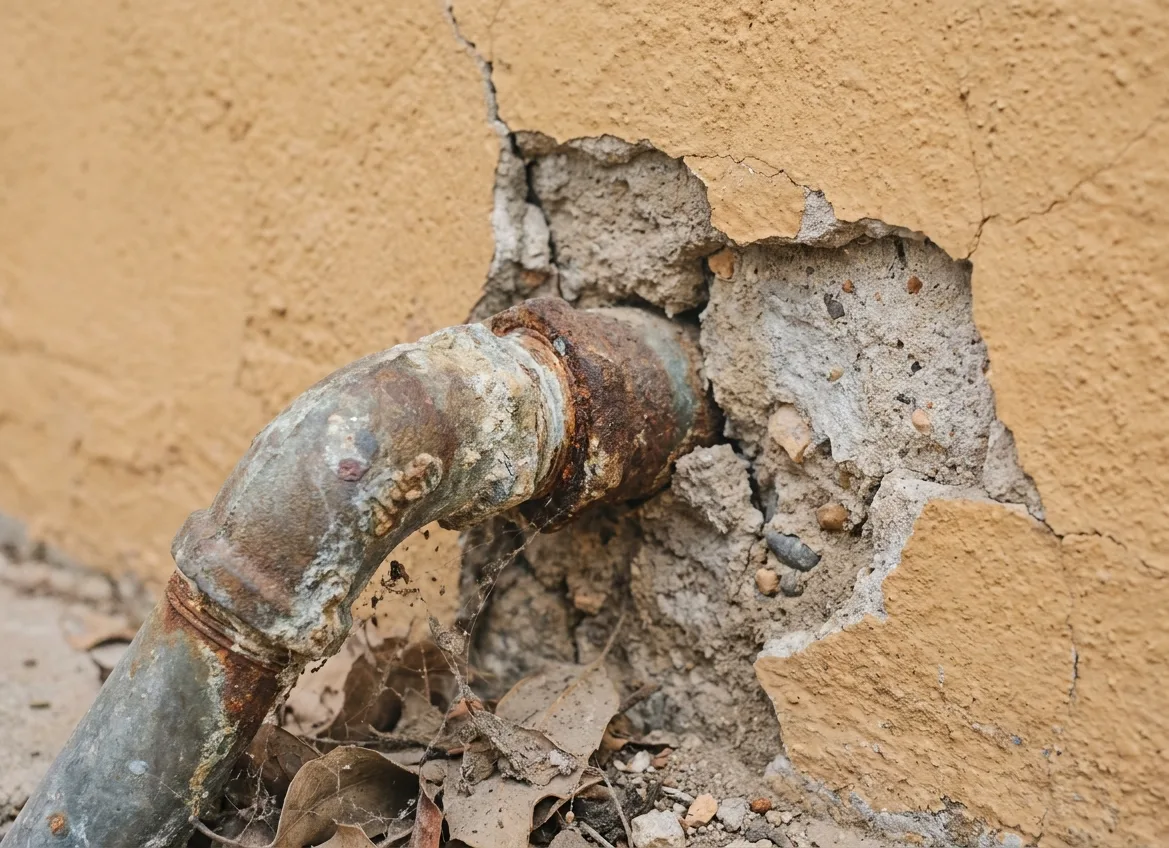
Buildings with gaps by design
Pre-war and mid-century construction has openings modern building does not: unsealed utility chases, corroded vent screens, gaps at roof junctions, and remodels layered over one another with the junctions never closed. These are not accidental entries — they are how the building was left, and until they are sealed no amount of baiting changes the outcome.
On this housing stock the answer is nearly always carpentry and mesh, and Rodent Control Chula Vista would rather do that once than sell a bait round forever.
Rodents ignore unit boundaries
In a multi-unit building animals travel shared walls, plumbing chases and ceiling voids without reference to whose lease is whose. Treating one unit while the neighbouring one is untouched usually moves the problem sideways rather than ending it. Where a building-wide approach is what is actually needed, we say so — including when that is inconvenient for whoever is paying.
How Rodent Work Is Actually Done
Rodent control is a structural trade more than a chemical one, and that is true whether the property is in National City or three miles away. An animal enters a building at a specific opening, lives in a specific cavity, and travels a fixed route between the two. Deal with those three things and the infestation ends. Miss one and it returns, usually within a season.
Identification before anything else
Which animal you have decides everything that follows. Roof rats are caught high, in voids and along rafters. House mice are caught within a few metres of wherever they are feeding. Norway rats are caught low, at ground level and below. A building sealed against one is frequently still open to another, so we settle the species from droppings, rub marks and gnawing before a single trap is placed.
Trapping before sealing, never the other way round
Closing a building that still has an active population inside it traps animals in wall voids and roof spaces, where they die out of reach. In this climate that becomes a serious odour problem within days, and the only remedy is opening up the structure to find them. So the order on every National City job is the same: identify, trap out, confirm the catch rate has gone to nothing, then close the building.
Sealed in metal, not foam
Every opening that admitted an animal is closed in galvanised steel mesh, hardware cloth or metal flashing. Expanding foam is chewed straight back through, and steel wool pulls out by the strand. This is the part of the job that decides whether the result lasts, and it is the part most often skipped because it is slow and invisible.
What the grounds are contributing
Most of what keeps pressure high around a National City property is fixable and sits within a few metres of the building: unstripped palm skirts, dense ivy on a block wall, fruit left where it falls, woodpiles stacked against the house, bins without lids, pet food left out, and irrigation leaks that make one garden the only reliable water for a hundred metres in August. We point all of it out plainly, including the parts that are somebody else's to fix.
★ FAQ
Frequently Asked Questions
Because bait reduces the population but does not close the way in. In older construction the entries are structural — a gap at a roof junction, a corroded vent screen, an abandoned penetration from a long-ago remodel. Until those are sealed a new population simply moves in.
We can, but we will be honest about the limits. Animals travel shared walls, plumbing chases and ceiling voids without reference to unit boundaries, so treating one unit while the next is untouched often moves the problem sideways rather than ending it.
That is between you and the owner, and we will not pretend to arbitrate. What we can do is document what we found and where, which usually makes the conversation shorter.
Not at all. Age is not the limit — condition is. Pre-war buildings seal perfectly well when the openings are closed in metal rather than filled with something chewable.
📍 On the map
How We Work in National City
Inspect the structure, close the routes, then treat
We walk the roofline, foundation line and utility penetrations before anything else, because in older construction the entry points are structural rather than accidental. Exclusion is specified in galvanised mesh and metal flashing, applied to the roof junctions and vent screens the animals are actually using rather than to the room where they were seen.