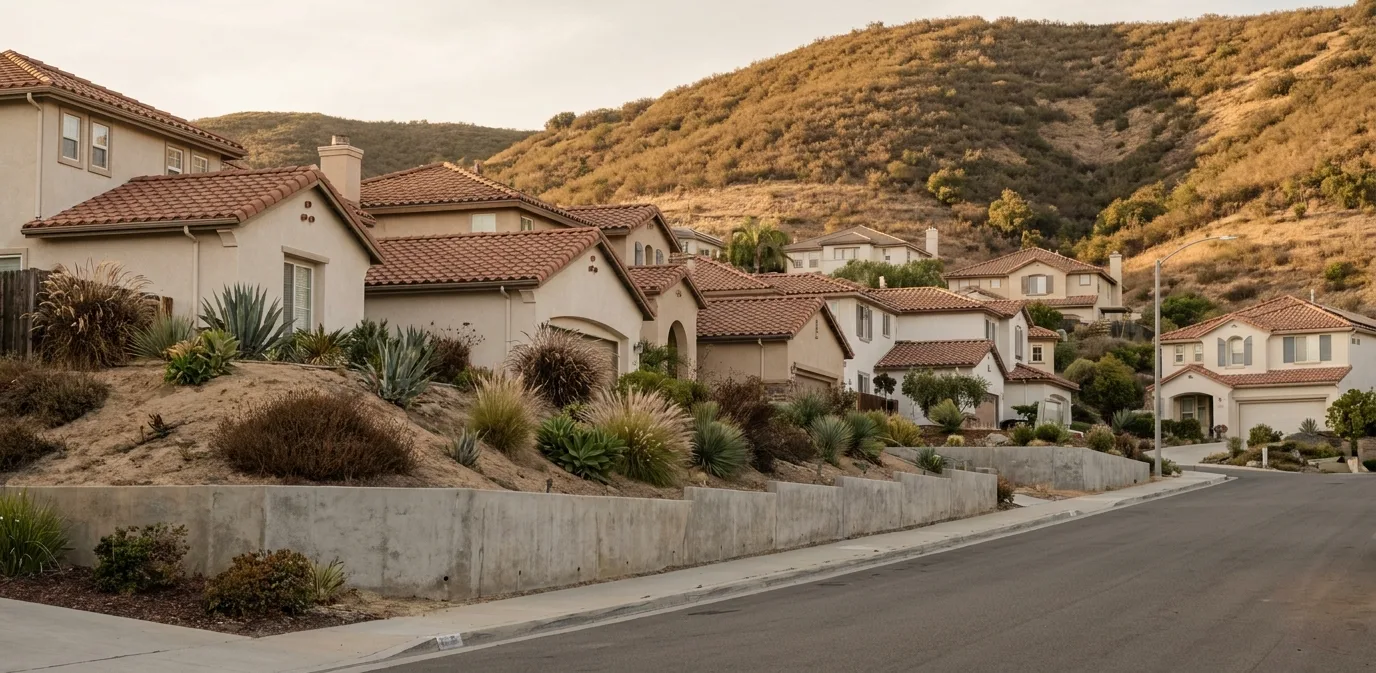
Hillside homes stepped up a slope on concrete retaining walls in Spring Valley, California

Pest Control in Spring Valley, CA

Rodent, ant and spider control for Spring Valley's hillside and canyon-edge homes

  • Hillside specialists
  • Crawlspace inspections
  • Canyon-edge work

Call for a rate estimate

  • Fast, courteous service
  • Clear, upfront pricing
Call (619) 745-5097 Same-day appointments often available

Our local team is taking calls now.

★★★★★4.8 / 5 stars (115 reviews)
Reviews (115):
4.8/5

Hillside Specialists

Slope-built homes give rodents high access from retaining walls and fences. We inspect where the terrain actually lets them in.

Crawlspace Inspections

Raised foundations hide the expensive damage — torn ductwork and shredded subfloor insulation. We go under and look.

Canyon-Edge Experience

Open slopes push rodents toward houses whenever conditions change. We work the boundary, not just the kitchen.

Get Your Free Estimate Today

Contact us today for professional service and free estimates

Call Now

Pest Control in Spring Valley, CA

Spring Valley sits on hillsides, and the terrain shapes the pest problems more than anything else. Homes are built into slopes, tucked against canyon edges, or stepped up on retaining walls and raised foundations. That means crawlspaces, split levels, hillside drainage and a great many small structural gaps facing undeveloped ground — and undeveloped ground here is never empty.

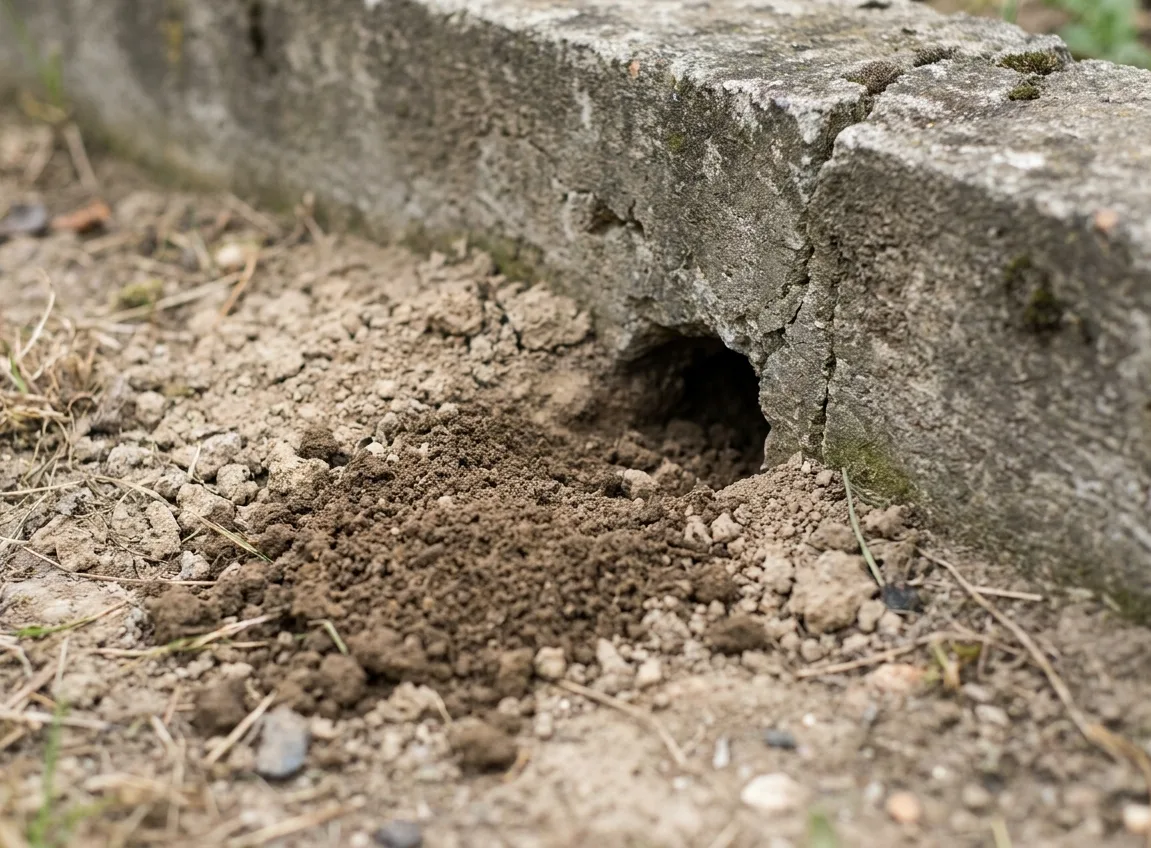
Fresh burrow opening at the base of a Spring Valley retaining wall with earth fanned out

We work throughout the community: Casa de Oro, Rancho San Diego edge, La Presa, Dictionary Hill and the older streets running down toward Sweetwater Reservoir. The consistent theme is the boundary between built and unbuilt land, because that boundary is where almost every call originates.

Living Against the Canyon

The canyons and open slopes hold established populations of rodents, and those populations do not stay put. They move when their conditions change — after rain floods low ground, when a dry stretch removes their water, or when brush clearance or grading disturbs an area. When they move, they move toward the nearest reliable shelter and water, which is your house.

Roof Rats and Hillside Construction

Homes built into a slope tend to have an elevated side, and rodents rarely need to work hard to reach it — a retaining wall, a fence returning to the house, or a slope that rises to meet the eaves all give access well above ground level. Once up there they look for the usual weaknesses: a corroded attic vent screen, a gap at a roof junction, a lifted section of trim, or an unsealed utility penetration.

Crawlspaces and Raised Foundations

Spring Valley has a lot of raised-foundation housing, and a crawlspace is exactly the dark, sheltered, undisturbed void rodents prefer. It is also where the plumbing, ductwork and subfloor insulation live, which means damage there is expensive and generally invisible until something else goes wrong. Torn ductwork and shredded subfloor insulation are two of the more common findings.

Ground Squirrels on Slopes

Open hillsides support ground squirrels, and their burrowing does real damage on graded lots — undermining retaining walls, opening voids behind hardscape, and destabilising slopes that were engineered on the assumption they would stay intact. On a hillside property this is a structural concern, not a landscaping nuisance.

Ant Control in Spring Valley

Argentine ants dominate here as they do across the county, and hillside properties give them plenty of room. They come indoors chasing water, so the first sightings are usually a bathroom or kitchen, and activity peaks during dry weather and again when rain drives them out of saturated ground.

These colonies have many cooperating queens spread across a wide area rather than a single nest, which is exactly why retail sprays disappoint. Killing a visible trail removes a small fraction of the colony and can prompt it to fragment and spread. We use non-repellent products that foraging workers carry back into the network, treat the perimeter and landscape rather than just the trail, and look for what is drawing them in — usually moisture.

Drainage and Retaining Walls

Hillside lots concentrate water in specific places: behind retaining walls, at the base of slopes, around drainage outlets. Those damp zones support ant colonies year-round. Where the water is sitting against the structure, we will show you where it is coming from, because reducing that moisture does more than repeat treatment will.

Spiders, and Why There Are So Many Here

Properties at the canyon interface see consistent spider activity, simply because there is consistent insect activity to feed on. Most of it is harmless, but brown widows are genuinely common in the South Bay and they favour exactly the places people reach without looking — under patio furniture, inside garden pots, in meter boxes, along the underside of railings and in garage corners.

Effective spider work is mostly about the food supply and the harbourage: reducing the insects drawing them in, clearing webs so you can tell active sites from abandoned ones, and treating the sheltered voids where they actually live rather than the open surfaces.

Signs You Should Call

Scratching in Walls, Ceiling or Under the Floor

Night-time noise overhead points to roof rats; noise below a raised floor points to crawlspace activity. Both warrant a look before the damage reaches ductwork or wiring.

Droppings in the Garage or Along Baseboards

Garages are usually where activity shows up first, because they are the easiest part of the structure to enter and the least frequently disturbed.

Burrow Openings on a Slope or Behind a Retaining Wall

Active burrowing near hardscape is worth addressing early — on a hillside lot the consequences are structural rather than cosmetic.

Ant Trails That Keep Coming Back

A trail returning to the same spot after cleaning means an established colony treating your home as its water source.

Webbing in Sheltered Outdoor Spaces

Dense webbing under furniture, in pots, or inside a meter box is worth clearing and checking, particularly where children or pets are around.

Chewed Wiring or Torn Ductwork

Rodent damage to wiring is a fire risk, and damaged ductwork quietly raises your cooling costs all summer. Neither improves on its own.

Serving Spring Valley and the East County Edge

We cover Spring Valley along with Chula Vista, Bonita, National City, Imperial Beach and San Diego. Hillside and canyon-adjacent properties take longer to inspect properly — crawlspaces, slopes and retaining walls all need walking rather than glancing at — and we would rather book the time than miss the entry point that matters.

If you are hearing something, seeing a trail, or have noticed fresh burrowing on a slope, describe it when you call. We can usually give you a sense of what you are dealing with before we arrive.

FAQ

Frequently Asked Questions

Usually terrain. If your lot has a retaining wall, a fence returning to the structure, or a slope rising toward the eaves, there is high access to your roofline that a flatter lot next door does not have. The difference is often a few feet of elevation.

On a raised foundation, yes. It is exactly the dark, undisturbed void rodents prefer, and it is where the plumbing, ductwork and subfloor insulation are. Damage there is expensive and usually invisible until a cooling bill or a floor tells you about it.

They are genuinely common in the South Bay and they favour the places people reach without looking — under patio furniture, inside pots, in meter boxes, along railing undersides. Worth clearing and treating properly, particularly with children or pets around, but not cause for alarm.

Almost always moisture. Hillside lots concentrate water behind retaining walls, at slope bases and around drainage outlets, and those damp zones support colonies year-round. Activity then spikes in dry weather and again when rain floods their outdoor nests.

On a hillside lot it is structural rather than cosmetic. Graded slopes and retaining walls were engineered assuming they stay intact, and extensive burrowing opens voids behind hardscape and undermines walls.

Yes — Casa de Oro, La Presa, Dictionary Hill, the Rancho San Diego edge and the older streets toward Sweetwater Reservoir, alongside Chula Vista, Bonita, National City and Imperial Beach.

📍 On the map

Get Your Free Estimate Today

Contact us today for professional service and free estimates

Call Now

Why Spring Valley Homes See So Much Activity

Terrain Is the Whole Story Here

Homes built into slopes have an elevated side, and rodents rarely work hard to reach it — a retaining wall, a fence returning to the house or a rising slope all give access well above ground level. Add raised foundations and canyon-adjacent lots and you have a lot of sheltered voids facing undeveloped ground.

1
California-licensed technicians with specialized knowledge of San Diego pest behavior patterns
2
Family-safe and pet-friendly treatment options that protect what matters most
3
Flexible scheduling including weekend appointments to accommodate your calendar
4
Detailed property assessments that identify vulnerabilities and active infestations
5
Service guarantee ensuring your satisfaction with complimentary follow-up if needed
6
Property-specific treatment protocols addressing your unique pest challenges
7
Clear, straightforward pricing provided upfront with no unexpected costs
8
Committed to the San Diego community with a reputation built on results

How We Work a Hillside Property

Crawlspace, slope and roofline all get walked

We inspect the crawlspace, the elevated approaches and the retaining walls rather than glancing at the perimeter, because on a slope-built home the entry point is usually somewhere you cannot see from the driveway. Ant work targets the damp zones hillside drainage creates, since that is what holds the colony against the house.

1
Service Request: Connect with our team to describe your pest concerns and property details
2
Comprehensive Inspection: Detailed examination of interior spaces, exterior perimeter, and entry points
3
Pest Analysis: Precise identification of species, infestation level, and contributing factors
Tap here for a free quote