
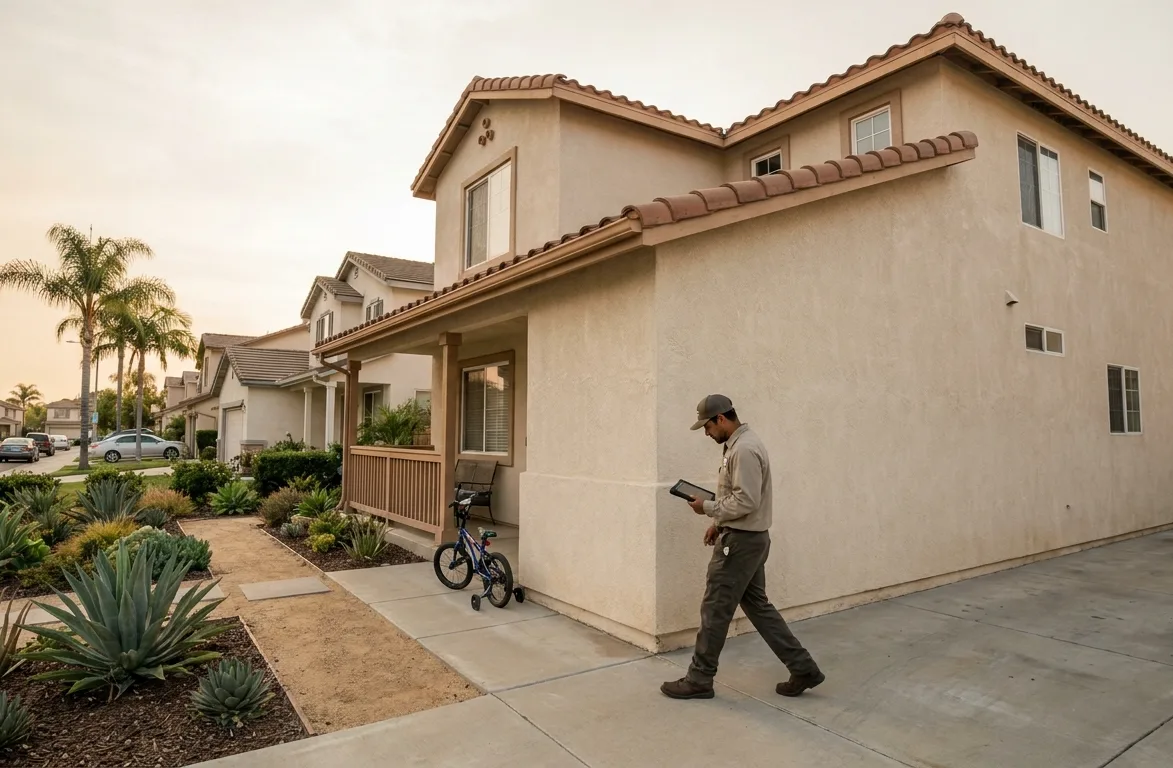
Residential Rodent Control in Chula Vista, CA
Rats, mice and squirrels in Chula Vista homes, sealed out rather than treated again.
- Rats, mice and squirrels
- Straightforward pricing
- Local technicians
Book your free inspection
- Fast, courteous service
- Clear, upfront pricing
We are answering the South Bay line now.





Answered Out of Hours
Rodents do not keep office hours and neither does the phone. Book the visit when you find the problem, not the next working morning.
Slab or Raised, Inspected Differently
The two constructions fail in different places. Which one you have decides where the survey spends its time and what the repair costs.
Scheduling Around You
Your technician confirms a window with you directly and works around school runs and shift patterns instead of handing you an all-day slot.
Residential Rodent Control in Chula Vista
Almost all of our work is residential, and almost all of it comes down to the same three questions: which animal is it, how is it getting in, and what on the property is keeping it interested. Everything else follows from those.
What Chula Vista Homes Are Actually Dealing With
Roof rats, by a wide margin
They climb, they nest above the living space, and they travel block walls, fence lines and overhanging branches to reach a roof. The most common opening is where tile meets fascia along the eave — a gap of an inch or two, running the length of the roofline, invisible from the ground and never intended to be sealed. The noise is overhead at night, the droppings turn up in the garage or the attic, and traps set on a kitchen floor stay untouched for a fortnight.
House mice, closer in
Mice work a much smaller territory, usually one room, living behind appliances and inside wall cavities. On slab-built housing they most often enter at the weep screed along the base of the stucco, a few inches above a planting bed. They get through an opening about a quarter of an inch across.
Norway rats, low and in the older neighbourhoods
West of the freeway, around ageing drain infrastructure, and along the river corridors. They burrow rather than climb, so on those properties the work happens at ground level and below rather than on a ladder.
The Routes We Find Most Often
On a typical Chula Vista house there are four, and after a few hundred properties we look for them in the same order every time.
The roofline, at the tile-to-fascia junction, attic and gable vents with corroded screens, and where plumbing vents or an air-conditioning line set pass through the deck.
The weep screed along the base of the stucco, which on slab construction sits only a few inches above soil or mulch, and which people frequently bury under years of topped-up bark.
The garage — the corners of the door seal where the rubber has curled away from the jamb, the side jambs, and in a great deal of tract construction a ceiling void that opens straight into the house attic.
The utility penetrations: water, gas, electrical, low-voltage, hose bibs and dryer vents, routinely sleeved when the house was built and just as routinely never sealed.
What Keeps a House Interesting
Most of it sits within a few metres of the building and most of it is fixable. Unstripped palm skirts. Dense ivy or bougainvillea on a block wall. Fruit left where it falls. Woodpiles stacked against the house. Bins without lids. Pet food left out overnight. Irrigation leaks that make one garden the only reliable water for a hundred metres in August.
None of that is glamorous advice and all of it changes the numbers. We go through it plainly, including the parts that are a neighbour's to fix rather than yours.
How a Residential Job Runs
Inspection first, documented and photographed. Then trapping, on the runs the animals are actually using, checked on a schedule rather than left down. Then sealing, in galvanised mesh, hardware cloth and metal flashing — never expanding foam, which is chewed straight back through. Then cleanup, because contamination does not leave with the animals. Then a follow-up visit to confirm the exclusion has held.
A house is one system, so Rodent Control Chula Vista covers the roof line, the crawl space and the garage in a single visit instead of quoting each of them on its own.
Trapping always precedes sealing. Closing a house with an active population inside leaves animals dying in wall voids, which in a South Bay summer becomes a serious odour problem within days.
Ongoing Service, and When It Is Not Needed
A detached house on an interior lot with one obvious entry point does not need a programme. It needs that entry closed, and we will say so rather than sell a subscription.
Properties backing canyon, river corridor, greenbelt or golf course are a different conversation, because arrival there is continuous rather than episodic. On those, a reviewed schedule is genuinely the sensible arrangement, and we would rather explain why than let you discover it in nine months.
★ FAQ
Frequently Asked Questions
A walk of the roofline from a ladder, the roof void entered where it is safe, and the whole foundation line gone over slowly. Every entry point is listed and photographed before anything is priced, because the scope of a rodent job should be visible rather than described.
Often not. A detached house on an interior lot with one obvious entry needs that entry closed, and we will say so rather than sell a subscription. Properties backing canyon, greenbelt or golf course are a different conversation, because arrival there is continuous.
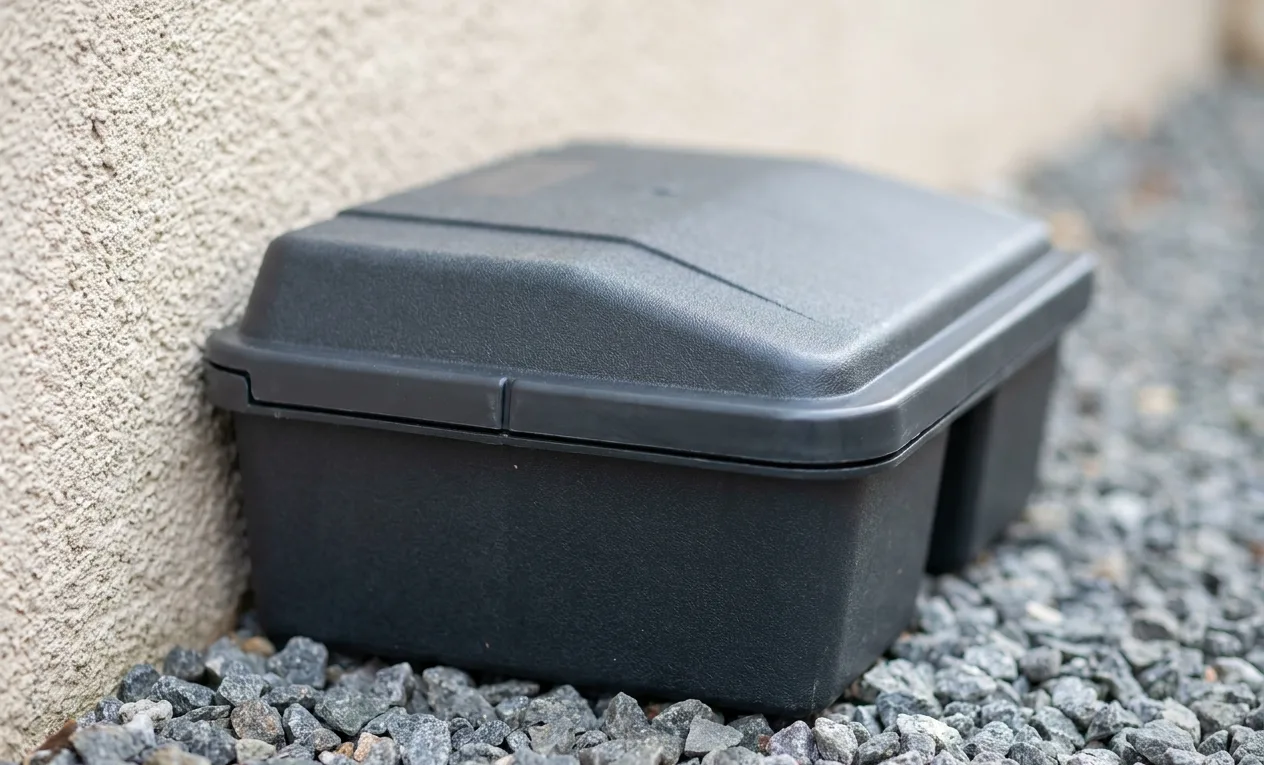
Interior work is mechanical rather than chemical, so there is no bait inside the house. Where exterior housings are justified they are tamper-resistant and anchored, and we will move one rather than argue about placement.
A straightforward mouse job in one room is usually finished within a fortnight. An established roof rat population is typically three to six weeks including the sealing, because trapping has to run to a nil catch rate before the building is closed.
📍 On the map
How a Residential Job Runs
Trapping first, sealing second, clearance last — in that order for a reason
We inspect the roof line, the roof void, the crawl space and the garage, trap what is inside, close every opening in metal, then clear out the nesting material and the contamination it left.