
Rodent Control Services in Coronado, CA
Period housing, salt air on both sides, and work that has to be invisible when it is finished.
- Rats, mice and squirrels
- Straightforward pricing
- Local technicians
Book your free inspection
- Fast, courteous service
- Clear, upfront pricing
We are answering the South Bay line now.





Corrosion Sets the Timetable
Salt air eats galvanised screens far faster than it does inland. Vents that would still be sound elsewhere have failed here.
Materials That Last
We use stainless rather than galvanised on this island, because the cheaper mesh will be back open inside a few years.
Careful on the Building
These houses have real architectural value. Repairs are matched and detailed, and we show you the work before it is closed up.
Rodent Control in Coronado
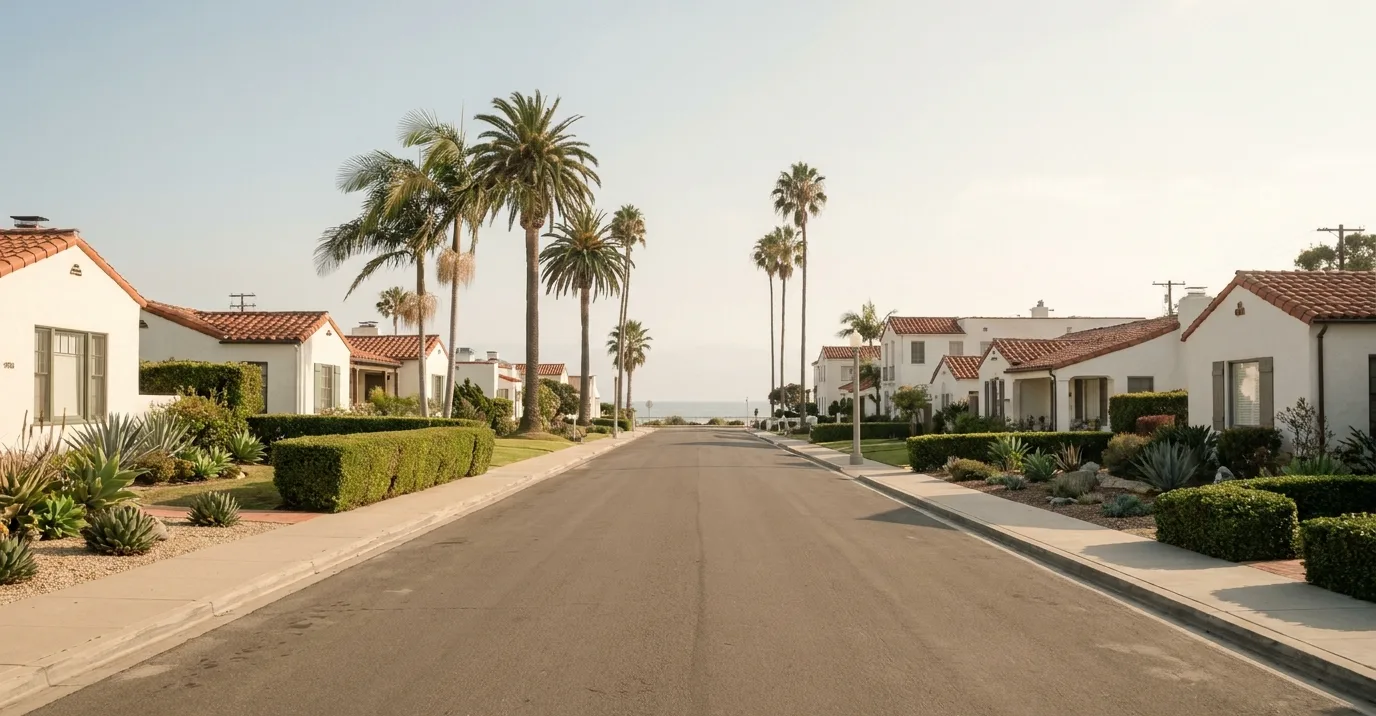
Coronado is a particular combination: period housing of real architectural value, salt air on both sides, and owners who care a great deal about how work is carried out on their property. Rodent work here is less about volume and more about doing careful work on buildings that deserve it.
Corrosion undoes exclusion faster than anywhere
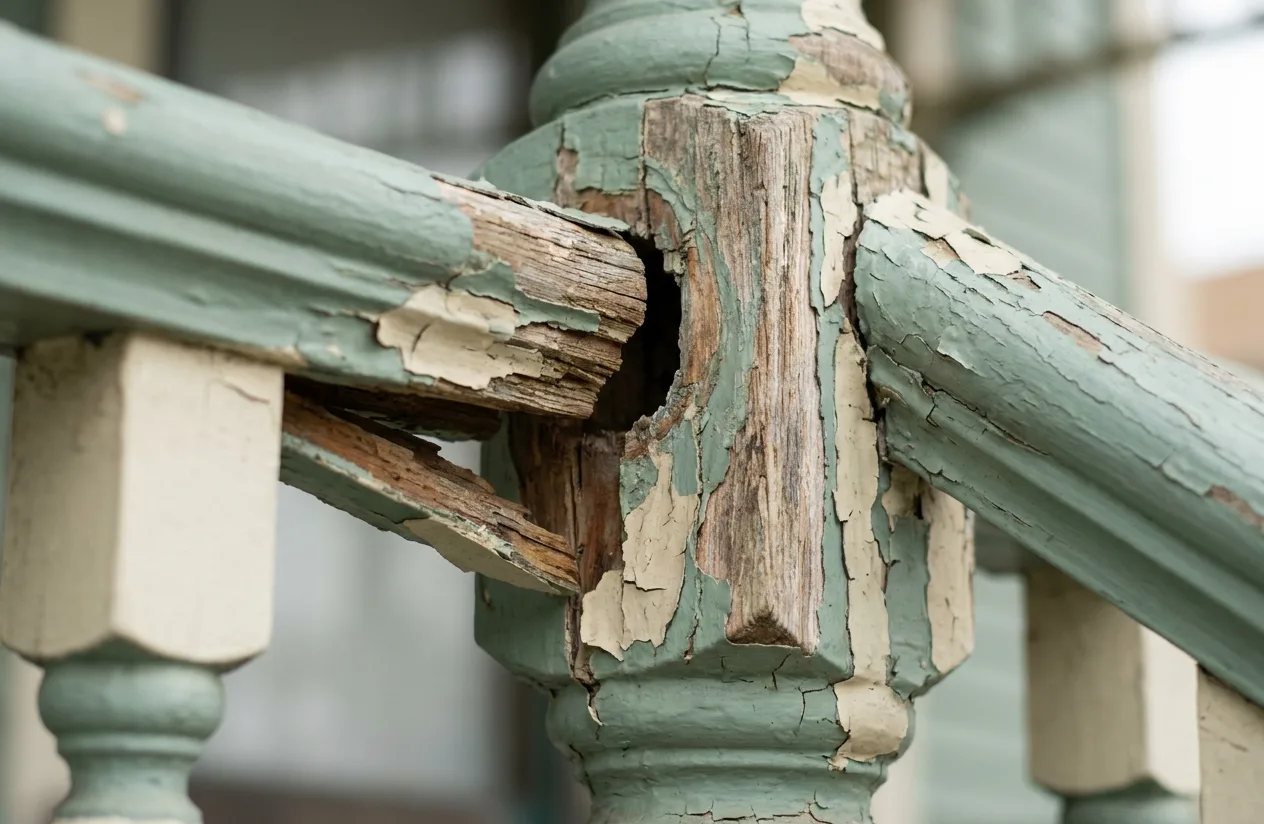
Crawl space screens, gable and soffit vents, flashing and door hardware all degrade faster on the island than almost anywhere inland. A pitted or torn vent screen is the most frequent entry point we find here and often the only one. Exclusion on Coronado has to be specified in stainless rather than ordinary galvanised, or the same repair is simply booked again in a few years.
Older buildings, more small openings
Craftsman, Spanish revival and Victorian cottages were built long before modern sealing standards, with raised foundations, original timber windows and decorative detail that offers shelter in a hundred small places. That character is why people live here and it is also the rodent profile, so the work is patient rather than fast.
How Rodent Work Is Actually Done
Rodent control is a structural trade more than a chemical one, and that is true whether the property is in Coronado or three miles away. An animal enters a building at a specific opening, lives in a specific cavity, and travels a fixed route between the two. Deal with those three things and the infestation ends. Miss one and it returns, usually within a season.
Identification before anything else
Salt air eats galvanised mesh far faster than it does inland, which is why Rodent Control Chula Vista specifies stainless on this island and prices accordingly.
Which animal you have decides everything that follows. Roof rats are caught high, in voids and along rafters. House mice are caught within a few metres of wherever they are feeding. Norway rats are caught low, at ground level and below. A building sealed against one is frequently still open to another, so we settle the species from droppings, rub marks and gnawing before a single trap is placed.
Trapping before sealing, never the other way round
Closing a building that still has an active population inside it traps animals in wall voids and roof spaces, where they die out of reach. In this climate that becomes a serious odour problem within days, and the only remedy is opening up the structure to find them. So the order on every Coronado job is the same: identify, trap out, confirm the catch rate has gone to nothing, then close the building.
Sealed in metal, not foam
Every opening that admitted an animal is closed in galvanised steel mesh, hardware cloth or metal flashing. Expanding foam is chewed straight back through, and steel wool pulls out by the strand. This is the part of the job that decides whether the result lasts, and it is the part most often skipped because it is slow and invisible.
What the grounds are contributing
Most of what keeps pressure high around a Coronado property is fixable and sits within a few metres of the building: unstripped palm skirts, dense ivy on a block wall, fruit left where it falls, woodpiles stacked against the house, bins without lids, pet food left out, and irrigation leaks that make one garden the only reliable water for a hundred metres in August. We point all of it out plainly, including the parts that are somebody else's to fix.
★ FAQ
Frequently Asked Questions
Salt. Screens, vents, flashing and hardware corrode faster on the island than almost anywhere inland, and a pitted vent screen is the entry point we find most often. Work here has to be specified in stainless rather than ordinary galvanised or you are booking the same repair again.
It should not, and that is largely a question of patience. Older buildings offer shelter in many small places rather than a few obvious ones, so the work is slower and more careful. We would rather take longer than fit something crude to a building that deserves better.
On Coronado they very often are, and frequently they are the only one. It is worth checking those before anything more elaborate is considered.
Yes, and those junctions are exactly where we look first. Every point where an addition meets the original building is a potential opening, and on a cottage that has been extended twice there are several.
📍 On the map
What the Work Actually Involves
A methodical approach that delivers lasting results for Coronado properties
Our systematic process ensures we address your immediate rodent activity while implementing the preventive measures that keep your island property protected long-term.