Ant Control in Chula Vista
Argentine ants are the pest we get called about most, and they behave in a way that makes shop-bought sprays close to useless. Instead of one nest with one queen, they run sprawling colonies with many queens that cooperate rather than compete, so killing a visible trail removes a fraction of the problem and can push the rest to split and spread. They come indoors chasing water more than food, which is why kitchens and bathrooms are usually first. We use non-repellent products that foragers carry back through the colony, and we treat the perimeter and landscaping rather than just wiping the counter. Call Ants & Rodents Pest Control Chula Vista and we will deal with the colony, not the trail.
Rodent Control in Chula Vista
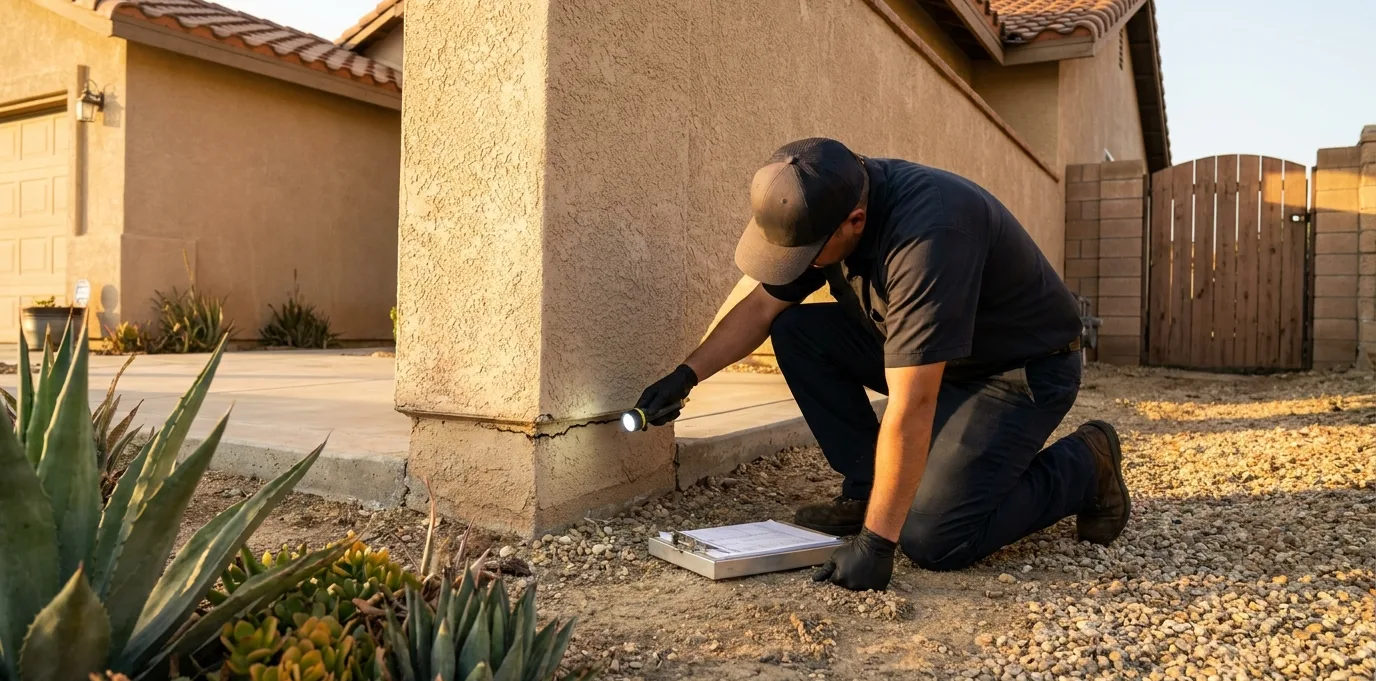
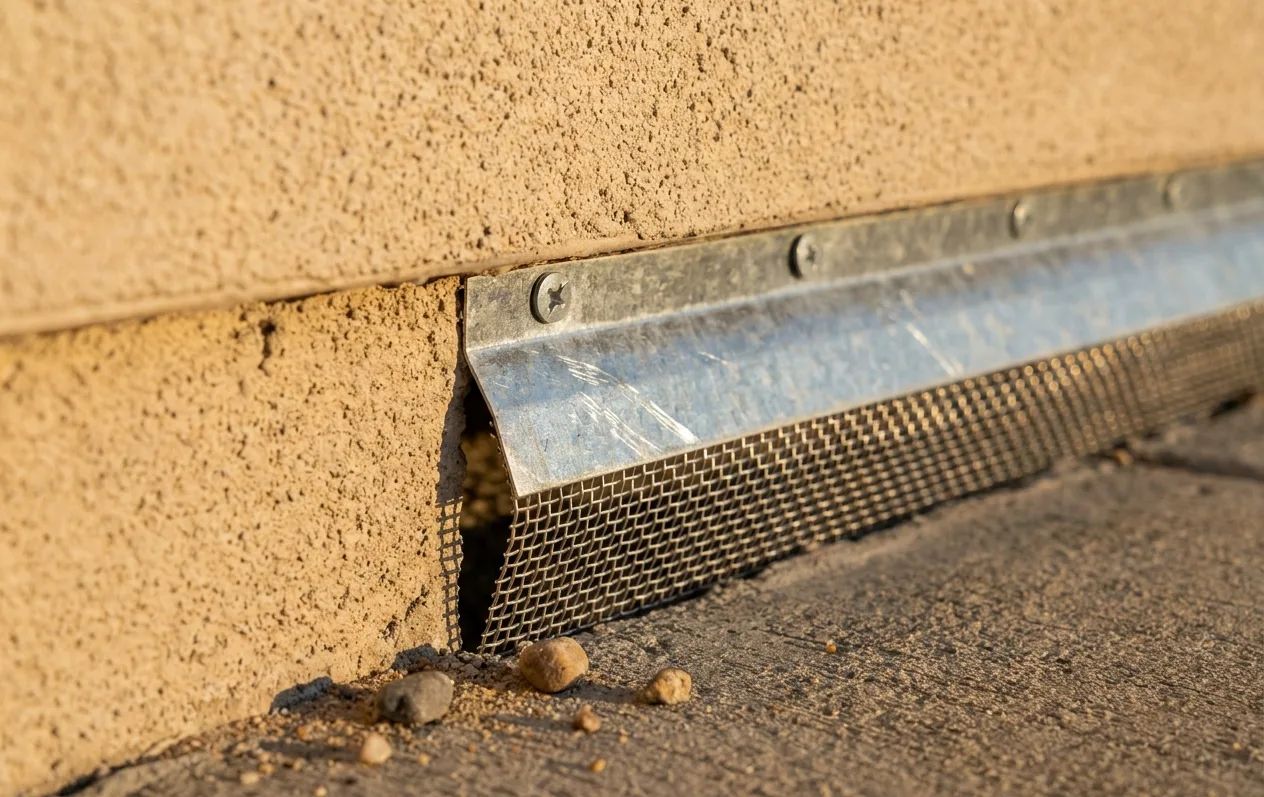
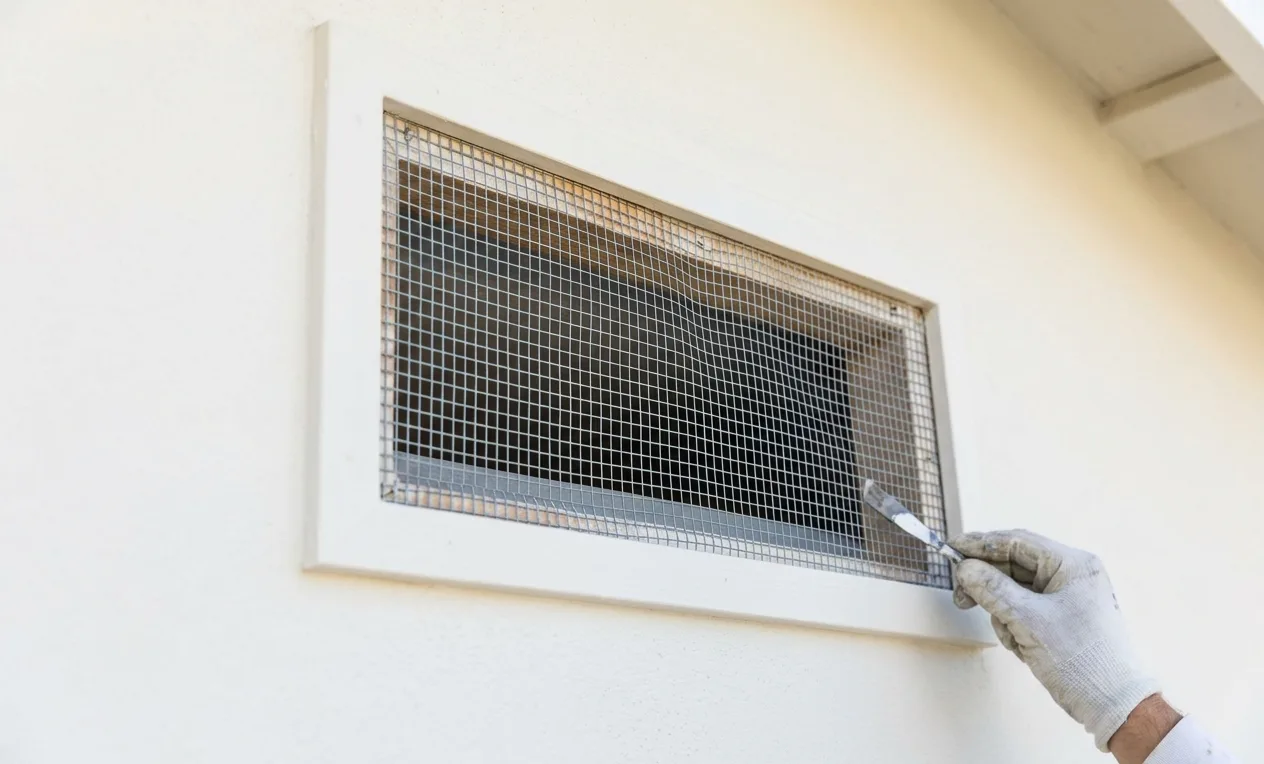
Roof rats do well here because our mature trees, fruit, and utility lines give them food and a road. They almost never walk in at ground level — they come in high, through a gap at a roof junction, a corroded vent screen, or the space where a pipe passes through a wall. That is why baiting alone disappoints: it thins the population for a few weeks and leaves the door open. Our rodent work is mostly inspection and exclusion, sealing entries with heavy-gauge mesh and metal that cannot be chewed through, then removing what is already inside and cleaning up the mess left behind. If you are hearing something overhead after dark, call us before it reaches the wiring.
Spider Control in Chula Vista
Most spiders in a Chula Vista home are harmless and quietly useful, but brown widows are genuinely common across the South Bay and they favour exactly the places people reach without looking — under patio furniture, inside plant pots, in meter boxes, along the underside of railings. Our spider work starts by clearing webbing and egg sacs, since a single widow sac can hold well over a hundred spiderlings, then treats the sheltered voids where they actually live. We also cut the insect supply drawing them in, because spiders follow the food. Ants & Rodents Pest Control Chula Vista will make the patio somewhere you can reach into again.
Cockroach Control in Chula Vista
Cockroaches are a building problem far more often than a housekeeping one, which is why spotless homes call us about them. German cockroaches travel through wall voids and shared plumbing, so the source is frequently not the room where you are seeing them — and in an apartment, sometimes not even your unit. Foggers make this worse: the insecticide never reaches the voids and the repellent effect drives the population deeper and outward. We bait into the harbourage, add a growth regulator to break the breeding cycle, seal the routes between voids, and come back timed to the egg hatch. Seeing one in daylight means it is already established, so call sooner rather than later.
Termite Control in Chula Vista
Termites cost the most and announce themselves the least, working inside timber where nobody looks. Two species matter here and they need opposite treatments: subterranean termites live in the soil and build earthen mud tubes up your foundation, while drywood termites live entirely inside the wood with no ground contact at all and are very common in older coastal housing. A soil treatment does nothing to drywood, which is why identifying the species is the job rather than an upsell. We inspect the foundation line, crawlspace, attic framing, eaves and window frames, then treat accordingly. If you have found mud tubes or small piles of hard pellets, have it looked at properly.
Bed Bug Control in Chula Vista
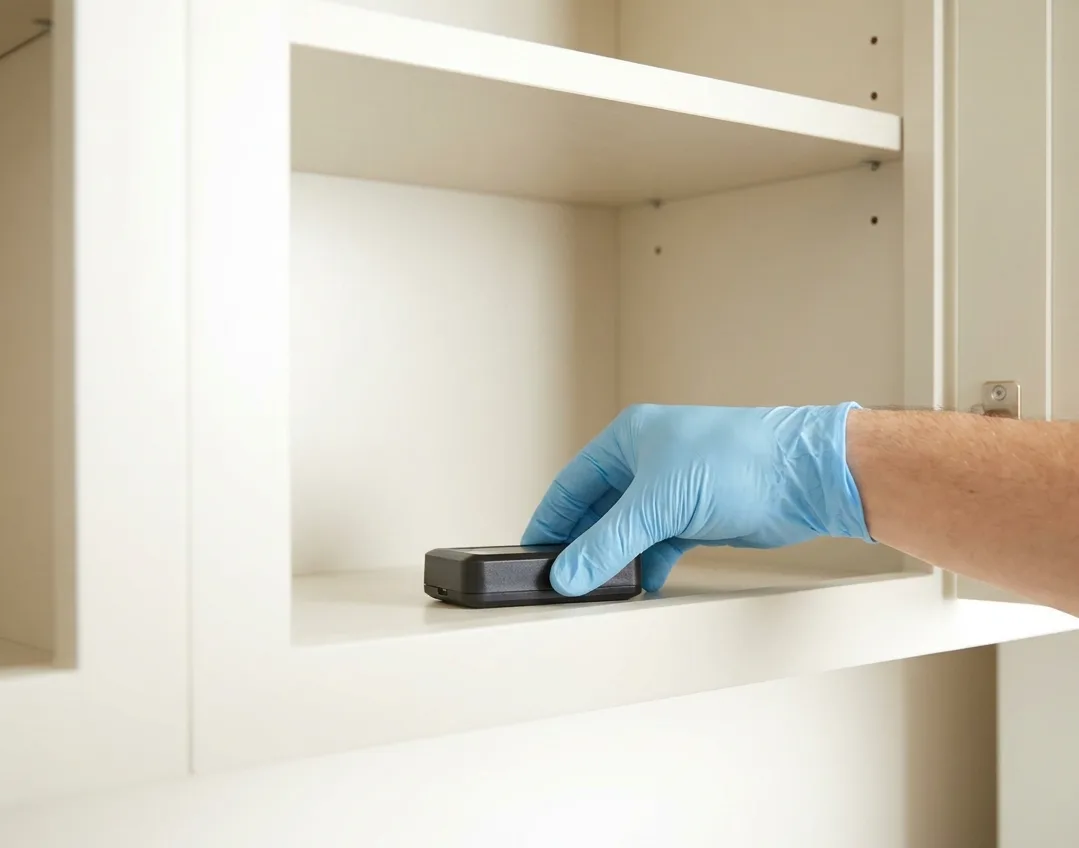
Bed bugs are the one pest people feel embarrassed to call about, and that instinct costs money — infestations do not level off, and once they reach a second room the work roughly doubles. Finding them says nothing about how clean your home is; they arrive on luggage, secondhand furniture and clothing. Retail sprays reach the insects they land on and miss the eggs entirely, which is why DIY attempts appear to work and then fail a fortnight later. We confirm the species, give you a written preparation plan, combine targeted treatment with steam and encasements, and return to verify. Call Ants & Rodents Pest Control Chula Vista and we will handle it discreetly.