
Rodent Exterminators in Castle Park, Chula Vista
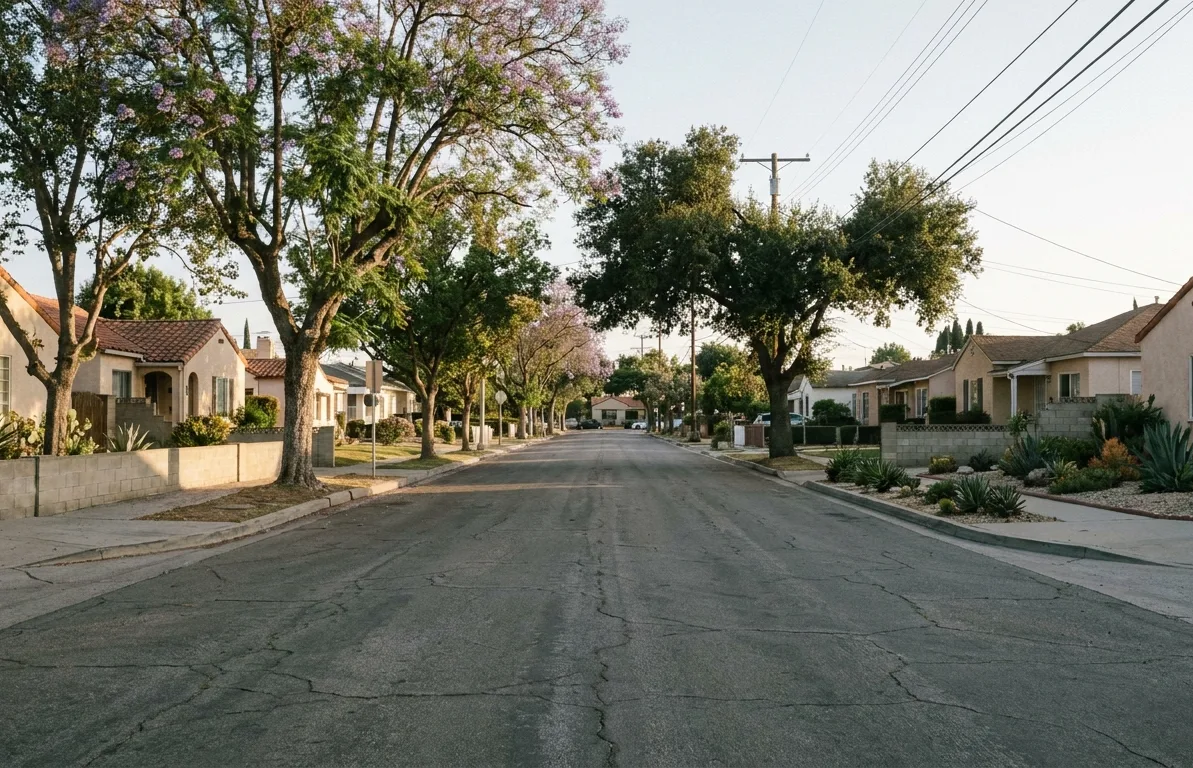
West-side Chula Vista: older raised-foundation housing on close lots, most of it served by alleys.
- Rats, mice and squirrels
- Straightforward pricing
- Local technicians
Book your free inspection
- Fast, courteous service
- Clear, upfront pricing
We are answering the South Bay line now.





Alleys Concentrate Everything
A rear alley runs a continuous line of bins behind several properties at once. A perfectly sealed house can still sit beside a permanent supply.
Under the Floor First
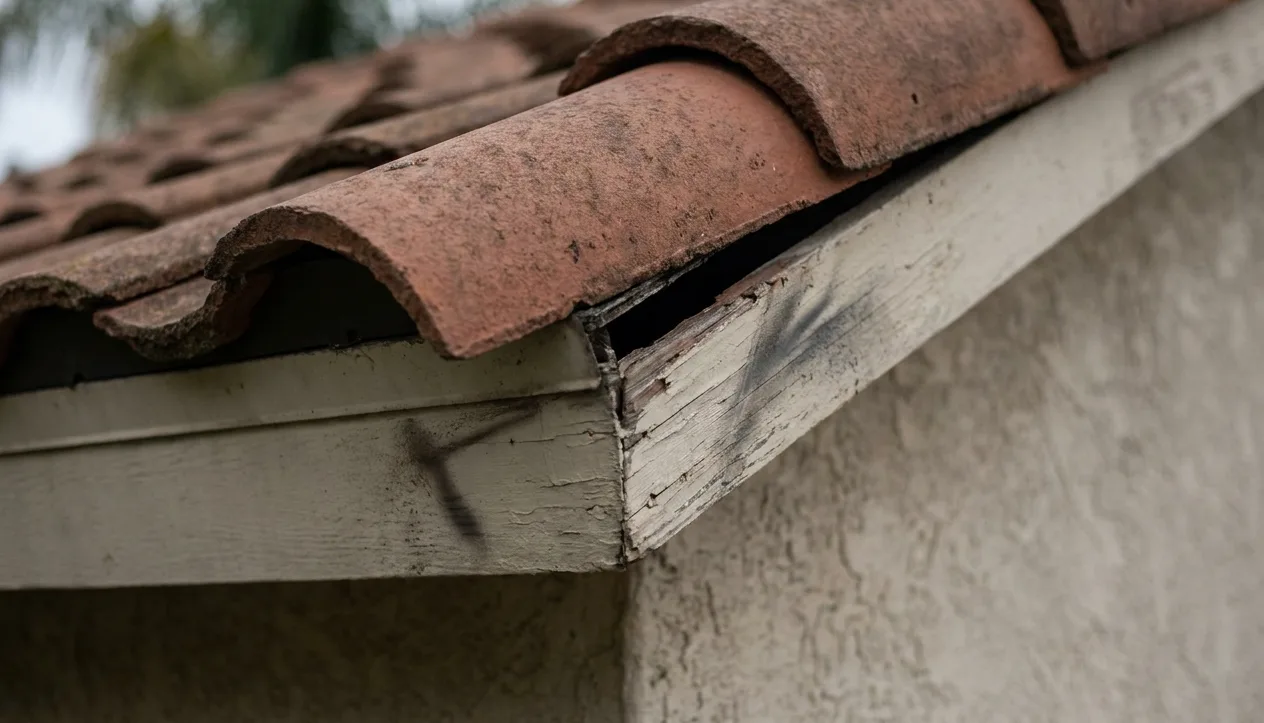
Raised foundations mean the crawl space is where the runs are. Original vent screens on a house of this age are usually the way in.
Neighbours Matter Here
Lots this close together share pressure. Where the source is next door we will tell you, rather than sell you a repeat visit.
Rodent Control in Castle Park
Castle Park is west-side Chula Vista, and the housing is a generation or two older than anything east of the freeway. Raised foundations are common, lots are close together, and many blocks are served by rear alleys. Each of those changes where the animals are and how they move.
Alleys concentrate the problem
A rear alley puts every bin on the block in one continuous line, with fence bases and utility runs alongside. It is effectively a shared corridor, and a property that is sealed perfectly can still sit next to a permanent supply because the pressure is coming from the alley rather than from the garden.
Raised foundations put the work underneath
Where a Castle Park home sits on a raised foundation, the subfloor is the void that matters and the crawl space vents are the openings that matter. Screens here are frequently original, and sixty years of corrosion does the rest. Working these properties means going under the house, not just up a ladder.
How Rodent Work Is Actually Done
Rodent control is a structural trade more than a chemical one, and that is true whether the property is in Castle Park or three miles away. An animal enters a building at a specific opening, lives in a specific cavity, and travels a fixed route between the two. Deal with those three things and the infestation ends. Miss one and it returns, usually within a season.
Identification before anything else
Which animal you have decides everything that follows. Roof rats are caught high, in voids and along rafters. House mice are caught within a few metres of wherever they are feeding. Norway rats are caught low, at ground level and below. A building sealed against one is frequently still open to another, so we settle the species from droppings, rub marks and gnawing before a single trap is placed.
Trapping before sealing, never the other way round
Closing a building that still has an active population inside it traps animals in wall voids and roof spaces, where they die out of reach. In this climate that becomes a serious odour problem within days, and the only remedy is opening up the structure to find them. So the order on every Castle Park job is the same: identify, trap out, confirm the catch rate has gone to nothing, then close the building.
Sealed in metal, not foam
Every opening that admitted an animal is closed in galvanised steel mesh, hardware cloth or metal flashing. Expanding foam is chewed straight back through, and steel wool pulls out by the strand. This is the part of the job that decides whether the result lasts, and it is the part most often skipped because it is slow and invisible.
Rear alleys concentrate the supply behind several properties at once, so Rodent Control Chula Vista looks at the lane as well as the house before deciding what the job is.
What the grounds are contributing
Most of what keeps pressure high around a Castle Park property is fixable and sits within a few metres of the building: unstripped palm skirts, dense ivy on a block wall, fruit left where it falls, woodpiles stacked against the house, bins without lids, pet food left out, and irrigation leaks that make one garden the only reliable water for a hundred metres in August. We point all of it out plainly, including the parts that are somebody else's to fix.
★ FAQ
Frequently Asked Questions
Yes, and it is often the whole story. An alley puts every bin on the block in one continuous line with fence bases and utility runs alongside — effectively a shared corridor. A perfectly sealed house can still sit beside a permanent supply.
On a raised foundation, yes. The subfloor is the void that matters here and the crawl space vents are the openings that matter. Working these properties from a ladder alone misses the job.
Where the properties are this close it genuinely helps, though we will not make it a condition. We will tell you honestly when the pressure is arriving from next door rather than originating on your lot.
Age is not the limit — condition is. We have sealed pre-war houses that stayed clear for years. What matters is whether the materials used can be chewed, which is why the answer is always metal rather than foam.
📍 On the map
How We Get Them Out and Keep Them Out
Methodical approach delivers complete extermination and ongoing protection
Our thorough eight-step extermination process addresses current rodent activity while establishing barriers and monitoring systems that prevent future problems in your Castle Park property.