
Rodent Control Pros in EastLake Greens, Chula Vista
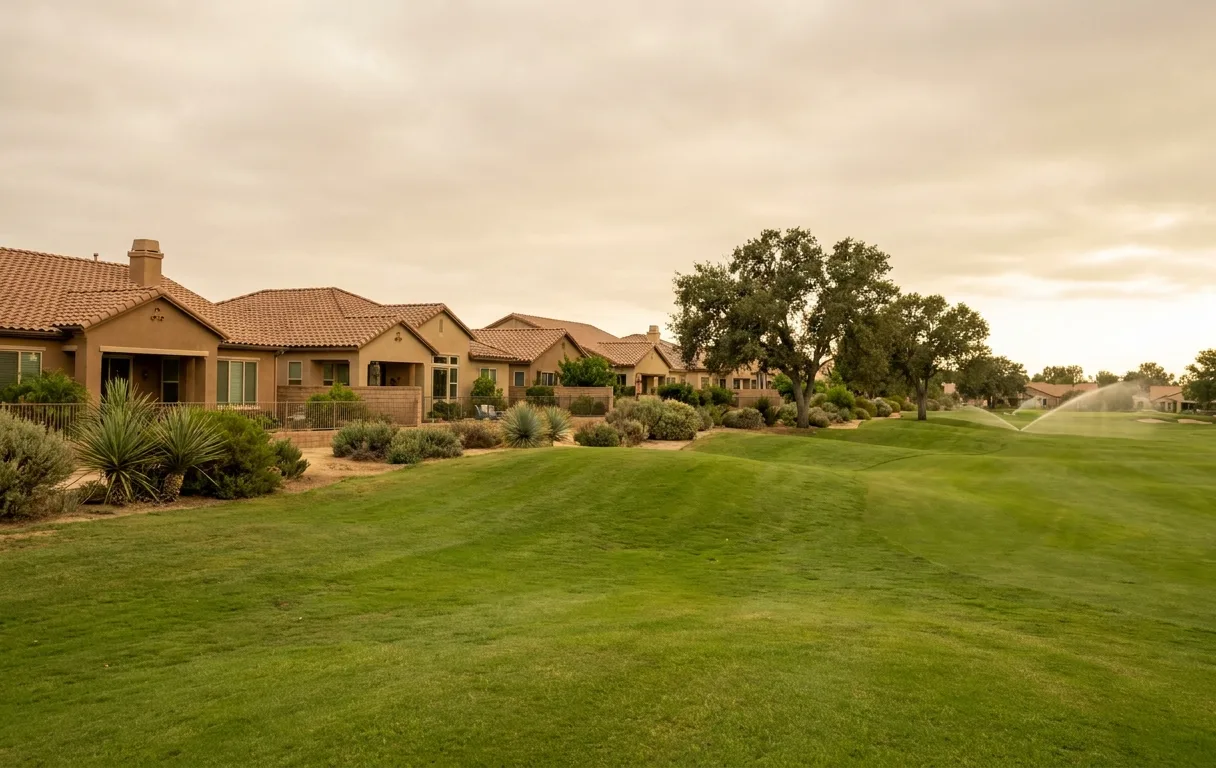
Built around a golf course, which is a permanently irrigated reservoir against a row of back fences.
- Rats, mice and squirrels
- Straightforward pricing
- Local technicians
Book your free inspection
- Fast, courteous service
- Clear, upfront pricing
We are answering the South Bay line now.





Water in August
When the rest of the city dries out, the course does not. That is when pressure on the back fence climbs, every year.
Back Fences First
Rear elevations on the course side need more attention than front ones, and the survey is weighted accordingly.
Sealing Still Works
A reservoir next door does not make exclusion pointless. It makes it the only thing that holds, which is why we lead with it.
Rodent Control in EastLake Greens
EastLake Greens is built around a golf course, and for rodent purposes a golf course is a large, permanently irrigated, permanently untreatable reservoir sitting directly against a row of back fences. It is the defining fact of the neighbourhood.
Water in August is the whole story
The pressure here does not track the housing, it tracks the irrigation. When everything else in the South Bay has dried out, the course is still green and still watered, which sustains a population through the months that would otherwise thin it. Properties fronting the course see steady arrival rather than the seasonal spikes typical elsewhere.
What can and cannot be done
The course cannot be treated and we would be sceptical of anyone who suggested otherwise. What works is a properly sealed building and a managed thirty feet inside your own wall — ground cover kept off the block wall, no woodpiles against the house, fruit collected, and where the arrival rate justifies it, maintained exterior stations on the routes between the course and the structure.
How Rodent Work Is Actually Done
Rodent control is a structural trade more than a chemical one, and that is true whether the property is in EastLake Greens or three miles away. An animal enters a building at a specific opening, lives in a specific cavity, and travels a fixed route between the two. Deal with those three things and the infestation ends. Miss one and it returns, usually within a season.
Identification before anything else
An irrigated course does not dry out in August when everything else does, which is the seasonal pattern Rodent Control Chula Vista sees on these back fences every year.
Which animal you have decides everything that follows. Roof rats are caught high, in voids and along rafters. House mice are caught within a few metres of wherever they are feeding. Norway rats are caught low, at ground level and below. A building sealed against one is frequently still open to another, so we settle the species from droppings, rub marks and gnawing before a single trap is placed.
Trapping before sealing, never the other way round
Closing a building that still has an active population inside it traps animals in wall voids and roof spaces, where they die out of reach. In this climate that becomes a serious odour problem within days, and the only remedy is opening up the structure to find them. So the order on every EastLake Greens job is the same: identify, trap out, confirm the catch rate has gone to nothing, then close the building.
Sealed in metal, not foam
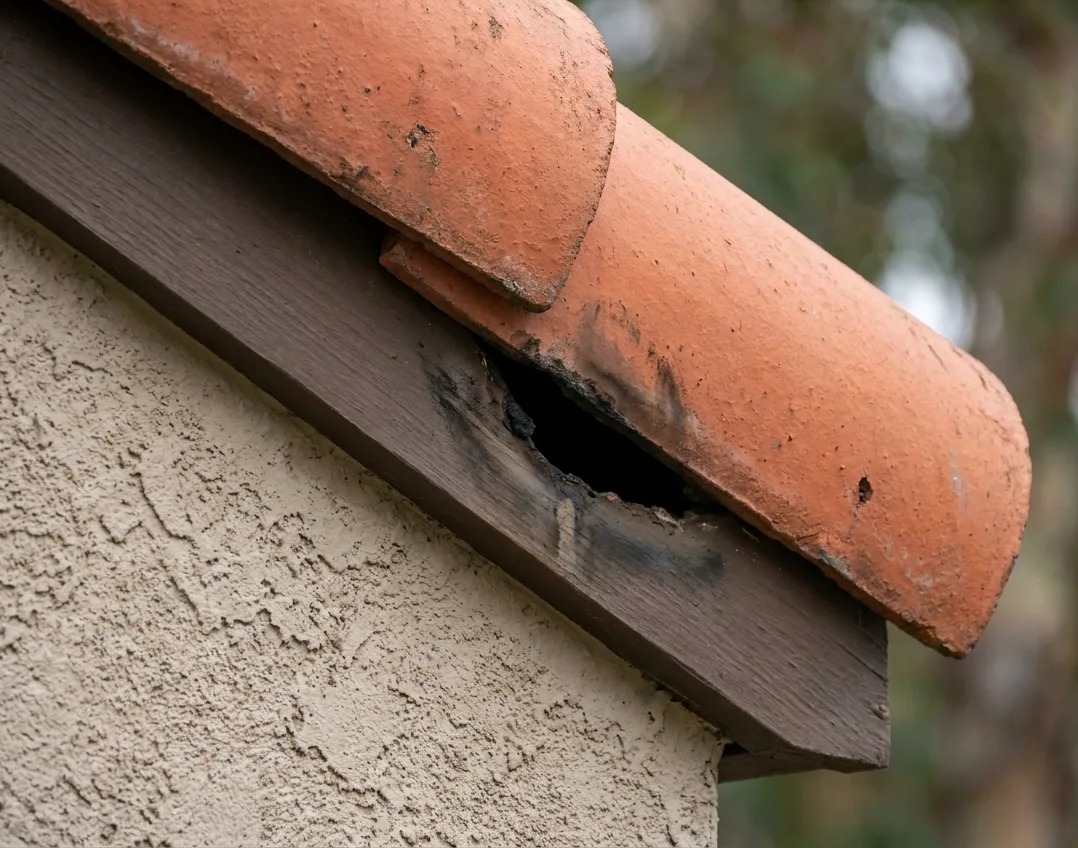
Every opening that admitted an animal is closed in galvanised steel mesh, hardware cloth or metal flashing. Expanding foam is chewed straight back through, and steel wool pulls out by the strand. This is the part of the job that decides whether the result lasts, and it is the part most often skipped because it is slow and invisible.
What the grounds are contributing
Most of what keeps pressure high around a EastLake Greens property is fixable and sits within a few metres of the building: unstripped palm skirts, dense ivy on a block wall, fruit left where it falls, woodpiles stacked against the house, bins without lids, pet food left out, and irrigation leaks that make one garden the only reliable water for a hundred metres in August. We point all of it out plainly, including the parts that are somebody else's to fix.
★ FAQ
Frequently Asked Questions
Almost certainly. For rodent purposes a course is a large, permanently irrigated, permanently untreatable reservoir against a row of back fences. When everything else has dried out in August it is still green, which sustains a population through the months that would otherwise thin it.
No. It is not ours or yours to treat. What works is a properly sealed building and a managed thirty feet inside your own wall, reviewed rather than done once.
On a course-fronting lot they often earn their place, because arrival is continuous rather than episodic. On an interior lot in the same neighbourhood they usually do not, and we will say so rather than sell a programme you can do without.
It does not all need removing, but dense planting against a block wall is shelter and a route in one. Keeping it clear of the wall itself changes the numbers more than people expect.
📍 On the map
How the Job Is Sequenced
A thorough method that addresses current issues and prevents future invasions
We follow a comprehensive approach that combines immediate rodent removal with protective measures designed to keep your Eastlake Greens home rodent-free year-round.